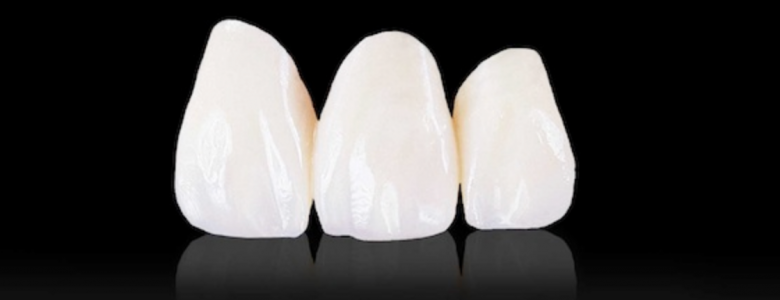
Most dentistry looks like dentistry. Our goal is to provide dentistry that is undetectable. We replace existing dental crowns and fillings with restorations that look and feel like your natural teeth.
Where damage to a person’s teeth is extreme, and apparently beyond repair, we can use porcelain crowns to make the smile appear brand new. This is an extremely reliable technique for repairing the most severe of dental problems, even permanently replacing missing teeth to offer a complete smile and a functional bite. We are renowned for the quality of our work and the fantastic changes we make for people using this technology. These treatments are used for a long-lasting correction of major dental problems. It is usual for a tooth crown to last for 20 to 30 years, which is as close to permanent as dental treatment can get.
What is a Dental Crown?
A dental crown is a great option when a weak, broken, or decayed tooth can’t be fixed with a filling. In this case, a custom-made cap is cemented in place, covering the damaged tooth to help support and preserve function. Depending on your personal preferences and dental goals, crowns can be made from a variety of materials, such as:
Porcelain
Porcelain crowns closely match the look of natural teeth, making them the most popular type of dental crown. Because of this, porcelain crowns are often used on the front teeth to create a seamless blend with the neighboring natural teeth. However, porcelain crowns are not as strong as some other dental crowns, and they are often a more expensive option.
Metal
Metal crowns are typically made using a mix of gold, nickel, and chromium to create a strong, long-lasting result. They tend to be the longest-lasting dental crown option and are often used on the back molars that experience a higher level of pressure from biting and chewing.
Resin
While resin crowns are a cost-effective option, they only have a lifespan of around three to five years and are much more fragile than other dental crown options. However, dentists often use resin to create a temporary crown while you are waiting for your permanent crown to be crafted.
Porcelain-Fused-to-Metal
Porcelain-fused-to-metal (PFM) crowns combine the strength of a metal crown with the aesthetics of a porcelain crown to create a strong but visually appealing prosthetic. The core of the crown is made of metal, while the outer coating is made of porcelain to match the crown to the teeth surrounding it. With proper dental care, PFM crowns can last just as long as a fully metal crown.
If you have any questions about the types of dental crowns available, you should speak with a trusted dentist to discuss your options and determine which one meets your preferences and dental goals.
How Are Dental Crowns Placed?
Your dental crown placement will likely take two or more appointments, depending on your need for additional adjustments after the permanent crown has been attached. At your initial appointment, your dentist will:
- Prepare your tooth for the crown by shaping and removing some of your natural enamel
- Take digital scans or impressions of your tooth and send them to a dental lab to build your custom-made crown
- Place a temporary crown over the damaged tooth to protect it while the permanent crown is being made
Once your permanent crown has arrived, you will return for a second appointment. At this visit, your dentist will then:
- Take off your temporary crown and clean the tooth to prepare for the permanent crown
- Check the shape, color, and fit of your permanent crown to ensure it is secure and comfortable
- Cement the permanent crown to your tooth
You might need additional minor appointments to have your crown adjusted so that it fits perfectly in your mouth and does not impede your bite or cause pressure on the surrounding teeth. If you feel any discomfort or pain while your mouth adjusts to the new crown, you should contact your dentist to schedule an adjustment.
How Should I Take Care of My New Crown?
Many people are able to return to their normal activities immediately following the placement of their dental crown. However, you might experience some minor sensitivity as your mouth adjusts to the new crown. Mild soreness in your gums around the dental crown might also occur immediately following the procedure but should subside within a few days.
To preserve the lifespan of your crown, you should follow a quality oral care routine that includes regular dental visits and cleanings. You should also avoid overly hard or sticky foods that can break or dislodge your crown. If you notice your crown is loose or damaged, or you feel any pain or discomfort, contact your dentist as soon as possible for treatment.
Difference Between Dental Crowns and Veneers
Dental crowns and veneers are among the most common types of dental procedures. While both offer coverage to a tooth, the amount of coverage and purpose behind the procedure set these two apart.
Dental Crowns
Dental crowns are designed to protect the entire tooth when it has been damaged and needs additional support. While they do provide cosmetic benefits by creating natural-looking teeth, the main goal of a dental crown is to restore function to an otherwise broken tooth.
Veneers
Veneers are crafted to cover the front of a tooth to hide minor imperfections like cracks, gaps, discoloration, or misshapen teeth. Veneers are considered a cosmetic dental procedure as they do not add any additional function or support to the teeth and are used for aesthetic purposes only.
An experienced dentist can help you understand your options and decide which procedure meets your specific oral health needs.
Why Choose Dental Group of Chicago for Your Dental Crown?
At Dental Group of Chicago, we understand how important it is to restore your smile’s function and appearance. Our team of knowledgeable professionals, led by Dr. Alexander Reznikov, is dedicated to providing personalized care and ensuring you receive the highest-quality dental crowns tailored to your needs. Whether you’re dealing with a damaged tooth or simply looking to improve your smile, we offer a range of crown options – from durable metal crowns to aesthetic porcelain options – that will best suit your dental goals.
We use the latest dental technology and techniques to ensure a smooth and comfortable procedure from start to finish. With flexible hours, including evening and weekend appointments, we are committed to making your visit as convenient as possible. Call us today at (312) 588-0043 or contact us through our easy-to-use contact form. Let us help you restore the health and beauty of your smile!
Frequently Asked Questions about Dental Crowns in Chicago, IL
How Long Does a Temporary Crown Last Before Getting a Permanent Dental Crown?
A temporary crown typically lasts two to three weeks while your permanent dental crown is being custom-made at a dental lab. During this time, it’s important to avoid sticky or hard foods that could dislodge the temporary restoration. The temporary crown protects your prepared tooth and maintains proper spacing for your permanent restoration. Once your custom crown arrives, you’ll return for a second appointment to have it cemented in place for long-term durability and function.
Can a Dental Implant Support a Crown, or Is a Dental Bridge Better?
A dental implant can support a permanent dental crown and is often preferred over a dental bridge for replacing a single missing tooth. Unlike a bridge, which requires modifying adjacent healthy teeth, an implant functions as an independent tooth replacement with a crown attached to the implant post. Both options effectively restore function and appearance, but implants preserve surrounding teeth and prevent bone loss. An experienced dentist can evaluate your specific situation and recommend whether an implant-supported crown or dental bridge best meets your oral health needs.
What Does the Dental Crown Procedure Involve From Start to Finish?
The dental crown procedure typically requires two or more appointments. During your first visit, your dentist prepares the damaged tooth by removing some enamel and taking digital scans to create your custom tooth shaped cap. A temporary restoration protects the tooth while your permanent crown is crafted. At your second appointment, the temporary crown is removed, and your permanent restoration is checked for proper fit and color before being cemented into place. You may need minor adjustments afterward to ensure comfortable function and proper bite alignment.
What Types of Crowns Are Available for Restoring a Cracked Tooth?
Several crown options can restore a cracked tooth, including porcelain, metal ceramic crowns, fused to metal crowns, gold crowns, and zirconia crowns. Porcelain and zirconia crowns offer excellent aesthetics for front teeth, while gold crowns and stainless steel crowns provide superior durability for back molars. Porcelain-fused-to-metal options combine strength with natural appearance. Your dentist will recommend the best material based on the tooth’s location, the extent of damage, your budget, and aesthetic preferences. All options can effectively protect and restore function to your damaged tooth.
How Long Do Different Crown Materials Last Compared to Stainless Steel Crowns?
Crown longevity varies by material. Metal ceramic crowns and fused to metal crowns typically last 15 to 20 years with proper care, while gold crowns and full metal options can last 20 to 30 years due to their exceptional durability. Zirconia crowns offer similar longevity to metal options while providing superior aesthetics. Stainless steel crowns are usually temporary solutions, often used for children’s teeth. Porcelain crowns generally last 10 to 15 years but may chip more easily than metal alternatives. Regular dental visits and avoiding hard foods help maximize the lifespan of any crown type.
How much do dental crowns cost, and what affects the price?
At Dental Group of Chicago, dental crown costs start at $700 with Delta Dental PPO insurance or range up to $1,600 for uninsured patients, depending on the complexity and materials used. For patients with PPO insurance, you typically pay 50% of the contracted rate while your insurance covers the remainder. Factors affecting price include your insurance coverage, tooth location, materials selected, and any additional procedures needed (like root canals). Our office works with all major PPO insurance plans including Delta Dental, MetLife, Cigna, and BlueCross BlueShield to maximize your benefits. Our insurance and financing team helps determine your exact coverage and offers flexible payment plans including Cherry financing to make treatment affordable.
When might I need a dental crown instead of other treatments?
Dental crowns are recommended when: a tooth has extensive decay that’s too large for a filling, after root canal treatment to protect the weakened tooth, to restore a cracked or fractured tooth, to cover severely discolored or misshapen teeth, or to anchor a dental bridge. Crowns provide structural support that fillings cannot offer for heavily damaged teeth. Alternative treatments like dental implants replace missing teeth entirely, while veneers address minor cosmetic issues. Your dentist will evaluate your specific situation and recommend the most appropriate treatment for optimal long-term results.
Are dental crowns covered by insurance?
Most dental insurance plans cover 50-80% of crown costs when medically necessary, such as protecting a tooth after root canal treatment or restoring function to a damaged tooth. Purely cosmetic crowns may not be covered or have limited coverage. Insurance typically classifies crowns as “major” procedures with annual maximums ($1,000-$2,000 commonly). Some plans have waiting periods for major work or frequency limitations on crown replacement. We work with all major insurance providers including Delta Dental, MetLife, and BlueCross BlueShield to maximize your benefits and provide accurate cost estimates before treatment begins.