Fast, calm help for toothaches, broken teeth, and knocked-out teeth, with same-day visits whenever possible on Bloomingdale Road.
Biting into something hard and feeling a piece of tooth snap off can throw off your whole day. Sudden dental pain makes it hard to eat, sleep, or focus at work, and putting it off usually gives the problem room to grow. What helps most is a quick answer about what to do next and a team ready to treat it.
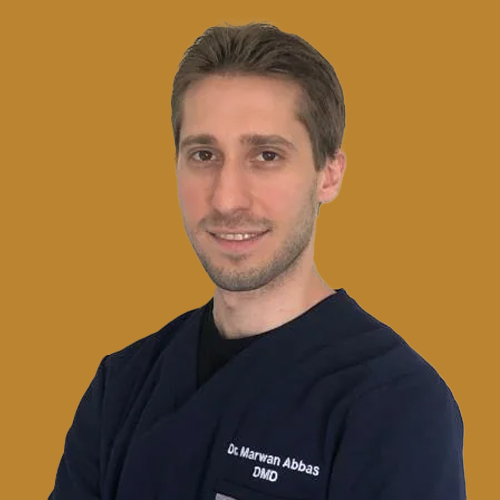
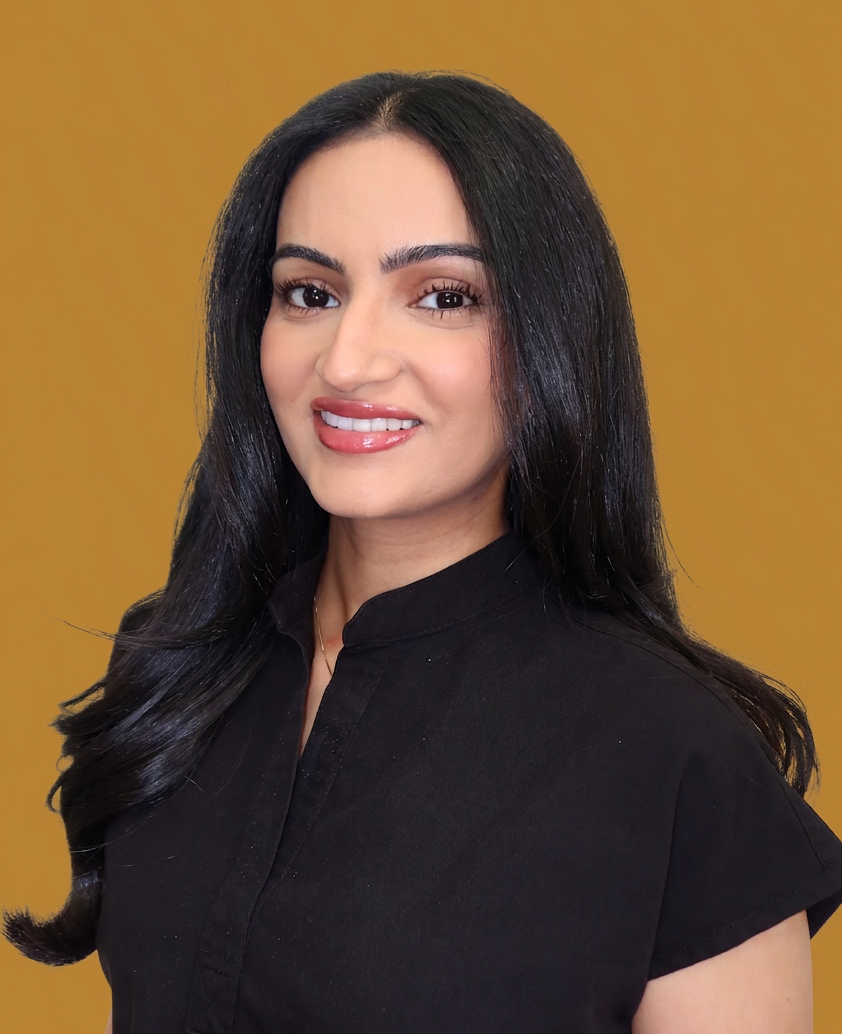
Dental Group of Bloomingdale, an office of Dental Group of Chicago, keeps room for urgent cases and offers same-day visits whenever possible. Dr. Alex Reznikov trained at the University of Illinois College of Dentistry, Dr. Marwan Abbas earned his DMD at the University of Illinois at Chicago, and Dr. Simardeep Hehar is a 2024 University of Detroit Mercy graduate. We are a dentist in Bloomingdale close to Addison and Roselle.
Use these short answers to decide how fast you need care. If you still are not sure, call our office and tell us what happened, and we can help you judge the timing.
Reach out the same day for severe or throbbing tooth pain, a knocked-out adult tooth, a cracked tooth that hurts when you bite, a lost crown or filling, swollen gums, or sharp sensitivity to hot or cold that lingers. These problems tend to get worse, and a knocked-out tooth needs a dentist right away.
Small problems without pain, such as a tiny chip on the edge of a tooth, can often be handled at a regular visit later in the week. Book that visit soon, since minor damage can grow.
Skip the dental office and go to an emergency room, or call 911, when swelling keeps spreading, bleeding does not let up, or you struggle to breathe or swallow. Severe facial swelling with a fever is also a reason to go to the hospital first.

Dr. Reznikov earned his dental degree from the University of Illinois College of Dentistry and has completed hundreds of hours of continuing education. He leads Dental Group of Chicago and co-owns our Bloomingdale office with his father, Dr. Vladimir Reznikov.

Dr. Abbas earned his DMD from the University of Illinois at Chicago in 2018 and joined our Bloomingdale team in 2020. He is a member of the American Dental Association and the Chicago Dental Society.

Dr. Hehar graduated from the University of Detroit Mercy School of Dentistry in 2024 and began her career in California. She focuses on building trust and making patients of all ages feel heard and comfortable.
The American Dental Association’s MouthHealthy advice for dental emergencies says to see your dentist or an emergency room as soon as possible, and it points out that most dental offices set aside part of each day for urgent cases. Call us with as much detail as you can, then follow these steps.
Do not let the tooth dry out. Try to ease it back into its socket, taking care not to touch the root. When that is not possible, tuck it between your cheek and gum, set it in a cup of milk, or store it in a tooth preservation product that carries the ADA Seal of Acceptance. Then head to a dentist without delay.
Rinse with warm water as soon as it happens. A cold compress held against your cheek helps keep swelling down, and any broken pieces should come with you to the visit.
Rinse the spot gently with water, then hold a cold compress against it. Bleeding that keeps going is a reason to go to an emergency room.
A warm-water rinse and gentle flossing can clear away food caught near the sore spot. Keep aspirin off the painful tooth and the gums around it.
Try to work it loose gently with floss. Never use a sharp or pointed object to pry it out.
Keep the crown and bring it with you. Call our office so we can set up a time to look at the tooth.
A few details up front help us plan your care before you arrive.
Share when the pain began, any swelling or fever you have noticed, and which tooth, crown, or filling broke or came loose. If you cannot tell what broke, simply describe what you see and feel.
Pack up the tooth, the crown, or any fragments you saved and bring them along. A small container keeps them safe on the drive over.
Your dentist looks closely at the area and takes digital X-rays, a lower-radiation option than film. An intraoral camera puts the problem on a screen so you can see it too. Our first goal is to ease your pain, and then we walk you through your choices.
Your dentist goes over how to care for the treated area, and our post-surgery care instructions cover healing after an extraction. Regular checkups help us spot worn fillings, small cracks, and early decay before they turn into the next emergency, and a mouthguard during contact sports can lower the chance of a broken tooth.
Most dental emergencies have a usual fix, and your dentist confirms the right one after the exam.
Our page on dentures in Bloomingdale explains repairs and relines in more detail. If a tooth cannot be saved, we can talk later about dental implants in Bloomingdale, so you have a plan for filling the gap once the area heals.
Concern about cost should not keep you from treating a painful tooth. Our team reviews your dental benefits and explains your share before treatment begins.
New patients are welcome, with or without insurance. Our insurance and financing options page explains payment plans and other ways to spread out larger costs.
Our three doctors care for children, teens, and adults, and they explain the problem before any treatment starts. You can meet our Bloomingdale dentists ahead of time, and sedation dentistry in Bloomingdale with nitrous oxide can help if nerves make a visit hard.
Most treatment happens in our own office, which often means fewer referrals. Evening hours Monday through Thursday leave room after work or school, and more than 560 Google reviewers have given us a 4.7-star average, often mentioning a friendly staff and doctors who ease anxiety.
In most cases, yes. We offer same-day emergency visits whenever possible, so call us early and we can hold a time for you.
Keep it from drying out and, without touching the root, try to slide it back into place. If that does not work, store it in milk or between your cheek and gum and see a dentist right away.
If swelling is severe and you also have a fever, or if it makes breathing or swallowing hard, go to the emergency room or call 911. Mild gum swelling without those symptoms can usually be treated in our office.
No. The ADA advises against placing aspirin on an aching tooth or the gums around it. Rinse with warm water, floss gently to clear any stuck food, and call us.
Keep the crown and bring it to your visit. Call our office so we can check the tooth and see whether the crown can be recemented or needs to be replaced.
Yes. We welcome emergency patients from Addison, Glendale Heights, Roselle, Carol Stream, Itasca, and the rest of the Bloomingdale area.
Our office is at 140 N. Bloomingdale Rd, Bloomingdale, IL 60108, on Bloomingdale Road.
It depends on the size of the chip and whether it hurts. A tiny chip with no pain can usually wait a few days, but a sharp edge, a large break, or pain when you chew is a reason to call us soon.
Select any Book Appointment button on this page to choose a time, or call our office, and our team will confirm your visit.
Dr. Alex Reznikov leads Dental Group of Chicago and co-owns this office with his father, Dr. Vladimir Reznikov. He has logged hundreds of hours of continuing education and asks every doctor on the team to keep learning too.
Calling early in the day makes a same-day spot more likely. Patients from Bloomingdale, Addison, Glendale Heights, Roselle, Carol Stream, and Itasca can reach us on Bloomingdale Road. Call our office or book your visit at our Bloomingdale office and ask for a same-day emergency spot.
140 N. Bloomingdale Rd
Bloomingdale, IL 60108
Monday – Thursday
1st & 3rd Saturday
Friday & Sunday
8 AM – 8 PM
8 AM – 2 PM
Closed